Testing, transportation, connection, and care — all in one place, for all of you. Whether you’re out, questioning, or figuring things out, we’re here to help.
No shame. No judgment. Just real support.
Bexar All-Inclusive is a community health program designed to support anyone that is HIV negative 18 to 65 in Bexar County.
We’re here to make prevention easier, safer, and more human. That means free STI testing, support with transportation, help accessing services like housing or mental health care, and one-on-one connection with someone who listens. We believe protection isn’t just physical, it’s emotional, practical, and rooted in trust.
Quick, discreet, and judgment-free
Know your status — on your terms.
We refer out to the appropriate community resources to help get access to sexual health services.
Need a ride to your appointment?
We offer 30-day bus passes for eligible clients.
From housing help to job referrals –
We’ll connect you to services that fit your life.
You’ll work with someone who gets it —
and who’s there to walk beside you, not ahead of you.
Quick, discreet, and judgment-free
Know your status — on your terms.
We refer out to the appropriate community resources to help you get accesses the testing you need.
Need a ride to your appointment?
We offer 30-day bus passes for eligible clients.
From housing help to job referrals –
We’ll connect you to services that fit your life.
You’ll work with someone who gets it —
and who’s there to walk beside you, not ahead of you.
Quick, discreet, and judgment-free
Know your status — on your terms.
We refer out to the appropriate community resources to help get access to sexual health services.
Need a ride to your appointment?
We offer 30-day bus passes for eligible clients.
From housing help to job referrals –
We’ll connect you to services that fit your life.
You’ll work with someone who gets it —
and who’s there to walk beside you, not ahead of you.
Prevent
Know the basics
More options exist today than ever before. Here's what's available, how it works, and where to start — no shame, no judgment.
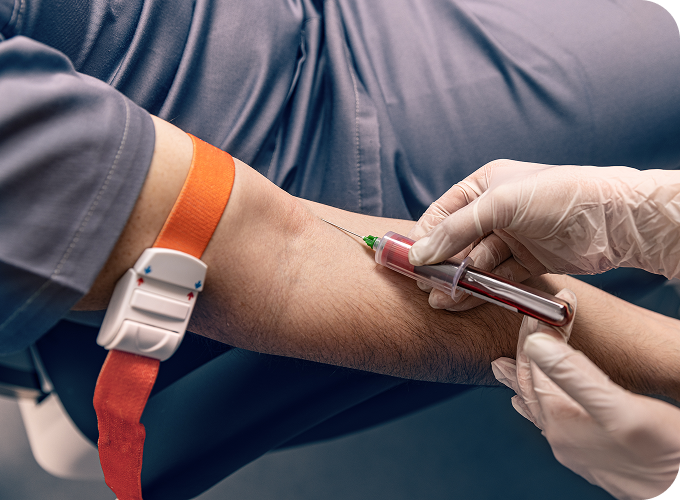
HIV is preventable, and there are more tools available today than ever before. Knowing your status is a great place to start, and you don't have to figure it all out on your own. There's free, confidential support available, without judgment, to help you find what works best for you.
It simply means getting tested and knowing your result. Knowing your status helps you make informed decisions about your health, whether that means choosing prevention options or starting treatment.
HIV prevention has changed a lot over the last 10 to 20 years. In the past, condoms were really the main prevention tool people talked about. Today, we have more options, including PrEP as a pill or an injection.
Honestly, everyone. The CDC recommends that anyone ages 13 to 64 should get tested for HIV at least once as part of routine healthcare. Source: About HIV | CDC
Condoms are a type of barrier protection that help prevent HIV and other STIs by keeping certain bodily fluids from being exchanged. They're easy to use, don't require a prescription, and can be a simple part of your HIV prevention plan.
Pre-Exposure Prophylaxis, or PrEP, is a prescribed medication that helps prevent HIV before an exposure occurs. It can be prescribed as a daily pill or as a long-acting injection. Speak with a healthcare provider to see what option works best for you.
Post-Exposure Prophylaxis, or PEP, is a 28-day course of medication that can be taken after a possible HIV exposure. It's important to start the medication within 72 hours of the possible exposure.
It starts with what fits into your routine, whether that's sticking to traditional prevention methods like condoms or using biomedical interventions like PrEP. Talk to a healthcare provider about your options, and remember that you can always change your mind later.
Where to go
Testing, condoms, and naloxone across San Antonio and the state. Every option below costs nothing.

STI / HIV Testing
Condoms
Naloxone (Narcan)
Sorting it out
Hover or tap a card for the answer
101
Start here
The basics, in plain language — what HIV is, how it actually spreads, and what life with it looks like today.
HIV stands for Human Immunodeficiency Virus. It's a virus that attacks the body's immune system, making it harder to fight infections.
Currently, there is no cure for HIV. But the great news is that proper HIV treatment can help control the virus.
U=U means Undetectable equals Untransmittable. When someone living with HIV takes their treatment adequately, the amount of virus in their blood becomes so low that tests can't detect it. When HIV becomes undetectable and is maintained, HIV cannot be sexually transmitted to others. Source: About HIV | CDC
Yes! HIV is now considered a chronic, manageable disease which can be controlled with ongoing effective treatment. Treatment may be one pill a day or, for some people, long-acting injections every few months. The key is starting treatment early and staying in care.
Yes. People still ask about toilet seats, sharing drinks, and hugging. The truth is none of these transmits HIV. HIV is not spread through everyday contact. It requires specific body fluids to enter the bloodstream. Source: How Is HIV Transmitted? | HIV.gov
Because stigma can prevent people from getting tested, starting treatment, or asking about prevention options like PrEP. When we replace fear and misinformation with facts and support, more people will feel comfortable getting the care they need. Reducing stigma is part of HIV prevention.
Get In Touch
Whether you have questions, need help getting started, or want to connect in person — we’re here for you.
Who says protection isn’t sexy? Our condom vending machines are placed around town so you can stay ready, wherever the night takes you. Use the map below to find one near you. Safe, simple, and always within reach.